
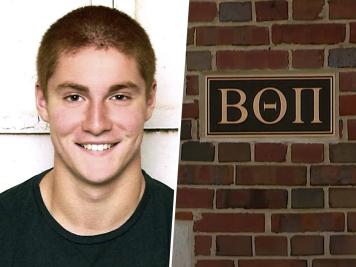
Fraternity hazing remains a dangerous reality on college campuses, and one grieving father is determined to make sure students and parents never forget the risks. Jim Piazza, whose son Timothy died during a fraternity hazing ritual at Penn State University in 2017, warns that hazing is not just a harmless tradition—it’s a deadly practice that continues to claim lives, and one that every family should take seriously.
Timothy, a freshman at Penn State, had been recruited by the Beta Theta Pi fraternity. At a bid acceptance party, pledges were forced to consume large amounts of alcohol, including vodka and other hard liquor, before competing in an alcohol “obstacle course.” Jim explained, “After that obstacle course was completed, you could see in video all of the individuals, all the pledges were pretty banged up. Then they all went to the basement of this fraternity house and they continued on feeding the pledges drinks. Different fraternity guys would hand them drinks and make them chug it and whatnot.”
Not long after, Timothy—intoxicated and struggling to leave the house—fell down a flight of basement stairs. He suffered a brain bleed, a ruptured spleen, and a collapsed lung. Instead of calling for help, fraternity members carried him to a couch and left him there. Jim recalled, “They threw him back on the couch and throughout the night they were slapping him, throwing alcohol on him, throwing stuff at him. And then finally, at about, you know, 1 o’clock in the morning or so, they all went to bed, and they left him laying there.”
By the next morning, Timothy was unconscious and unresponsive. Members waited 45 minutes before finally calling 911. He died a little more than 12 hours later. “When everything happened and we got to the hospital and then they told us that, that Tim’s brain injury was nonrecoverable, I felt like I was in a dream,” Jim said. “To learn that we lost him to people that were supposed to become his friends, and they could have saved his life … you can’t even get your head around it.”
Since their son’s death, Jim and his wife Evelyn have dedicated their lives to raising awareness and pushing for change. Their advocacy helped pass the Timothy J. Piazza Anti-Hazing Law in Pennsylvania, which makes hazing that causes injury or death a felony. They also supported the federal Stop Campus Hazing Act, passed in 2023, which requires universities to adopt standardized hazing reporting guidelines and accountability measures.
Jim says they often speak directly to Greek life leaders about the legal and moral consequences of hazing. But he emphasizes that parents need to be part of the conversation, too. “We really need to get to parents, because many parents don’t think it can happen to them. ‘It can’t happen to my kid, that’s somebody else’s kid that it happens to.’ Well, it does happen, and it happens to good kids from good families, you know, wealthy, not wealthy. It’s non-discriminating.”
The legal fallout from Timothy’s death was significant. Twenty-one fraternity members faced charges, with several sentenced to jail time. Jim also warned parents about the financial costs: “You’re basically spending your parents’ retirement money when you’re doing that. And they need to make sure they’re having a conversation with their kid to say ‘hey, if somebody’s asking you to do things that make you feel uncomfortable or make you or someone else unsafe, just say no.’”
Still, Jim doesn’t oppose Greek life altogether. He believes fraternities and sororities can provide community and leadership opportunities when they are safe and accountable. “I don’t have a problem with Greek life. I think it has a lot of good things that it could give to the students. It can make a big campus small. It could create friendships that are everlasting. I think it teaches individuals that take the leadership roles how to be leaders.”
As rush season continues across campuses, Jim’s message to students is clear: you don’t have to be a victim. “At the end of the day, the pledges have a little bit of power in that they could just band together and say, we’re not doing that, because the fraternity members need them.”